Source CE Excavator Track Chain for Excavator, Construction Works, Track Chassis
Compare 30 CE Excavator Track Chain listings from suppliers in China. Buyers can review materials like 35MnBH and 40mn2, certifications including CE and ISO9001, and delivery times ranging from 7 to 30 days for track chain assemblies.
Key considerations
Products List


High Quality Excavator Spare Parts Uh052 Uh053 Uh07 Uh081 Track Chain
$200.00 - $6000.00
MOQ: 1 Pieces

Track Link Chain for Excavators Spare Parts Undercarriage Parts OEM
$1000.00 - $1230.00
MOQ: 20 Pieces


High Quality Excavators Track Chain for Caterpillar 325 330 312 Undercarriage Parts
$350.00 - $400.00
MOQ: 1 pieces


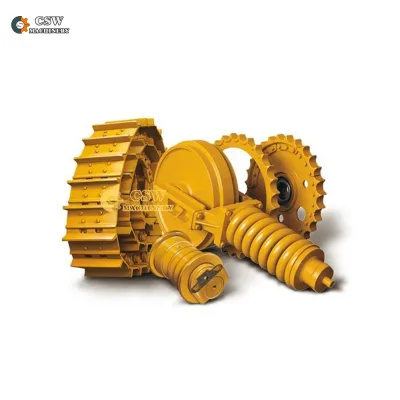
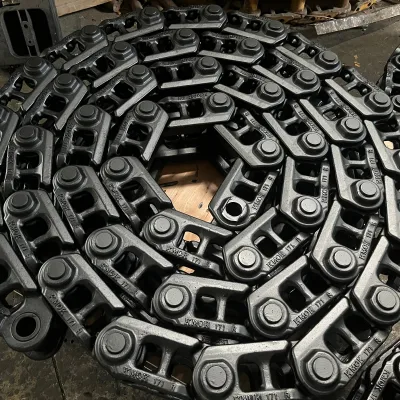


Reliable Track Link for Cat320 Excavator Undercarriage Parts Track Chain
$577.00 - $820.00
MOQ: 1 Pieces
Comprehensive Sourcing Guide
Strategic Sourcing Guide for CE-Certified Excavator Track Chains
Understanding Technical Specifications and Material Composition
When sourcing a CE-certified excavator track chain, the primary focus must be on the material composition and mechanical specifications that define the component's durability and fit. The supply market for these undercarriage parts reveals a diversity of material grades, with 35MnBH and 40mn2 appearing as specific material attributes in current listings. These manganese-boron alloy steels are selected for their high tensile strength and resistance to wear, which are critical for the high-stress environment of excavator operation. Buyers must verify that the specific material grade matches the operational demands of their machinery, as the hardness and toughness requirements vary significantly between light-duty and heavy-duty applications.
The product specifications often reference specific machinery models, such as the R350LC, 220bT300cl, and Caterpillar 320BL, alongside generic model identifiers like UH052, UH053, UH07, and UH081. It is essential for the procurement team to cross-reference these model numbers with the original equipment manufacturer (OEM) documentation of their excavators. A mismatch in the track chain model can lead to improper fitment, accelerated wear on the sprockets and idlers, and potential safety hazards. Furthermore, the surface hardness of the track chain is a critical performance metric. Observed data indicates a surface hardness range of HRC 52-58 for certain high-quality units. This range suggests a balance between hardness for wear resistance and toughness to prevent brittle fracture under impact loads. Buyers should request hardness test reports to confirm that the delivered product falls within the required tolerance for their specific application.
Compliance, Certification, and Regulatory Standards
The "CE" designation in the core keyword signifies compliance with European Union safety, health, and environmental protection requirements. In the context of heavy machinery parts, this certification implies that the product has been assessed against relevant directives. The supply data confirms the presence of CE and ISO9001 certifications, with specific mentions of ISO9001:2000 and general ISO9001 standards. While the presence of these certifications is a positive indicator, buyers must treat them as verification points rather than automatic guarantees of quality. The certification status should be validated by checking the validity of the certificate number with the issuing body and ensuring the scope of the certification explicitly covers the manufacturing of track chains and undercarriage components.
It is important to note that the condition of the products listed is consistently described as "New." This distinction is vital for procurement, as refurbished or remanufactured parts may have different warranty terms and performance expectations. The "CE" mark on the product or its packaging serves as a declaration by the manufacturer that the product meets EU standards, but the buyer must ensure that the specific batch of track chains being purchased is covered by this declaration. Additionally, the "ISO9001" certification relates to the quality management system of the supplier, ensuring consistent manufacturing processes. Buyers should verify that the supplier's quality management system is current and that the specific factory location is included in the certification scope. The combination of CE marking and ISO9001 certification provides a foundational layer of trust, but it should be complemented by on-site audits or third-party inspections for high-volume orders.
Cost Drivers and Pricing Dynamics
The pricing landscape for excavator track chains is influenced by a complex interplay of material costs, manufacturing complexity, and order volume. The observed price range in the market spans from $50 to $6,000 USD, reflecting the vast difference between individual track links and complete track chain assemblies or sets. The lower end of this spectrum likely corresponds to single components or smaller quantities, while the higher end represents full assemblies or bulk orders with significant customization. The Minimum Order Quantity (MOQ) varies from 1 piece to 20 pieces, offering flexibility for buyers with immediate replacement needs versus those planning long-term inventory stocking.
Several factors drive the cost of these components. The choice of material, such as 35MnBH versus 40mn2, directly impacts the raw material cost. Processes like surface hardening to achieve the HRC 52-58 range add to the manufacturing expense. Customization is a significant cost driver; while standard sizes are available, custom dimensions or specific color options (such as Black or Yellow) may incur additional charges. The packaging method also influences the final price; options range from simple cartons to strong fumigated wooden pallets or wooden cases, which are necessary for international shipping but add to the overall cost. Buyers should analyze the total cost of ownership, considering that a slightly higher initial price for a high-quality track chain with a longer warranty (such as 2000 hours or 12 months) may result in lower downtime and replacement costs over the lifecycle of the excavator.
Typical Applications and Operational Environments
Excavator track chains are integral to the undercarriage system, providing the necessary traction and stability for heavy machinery in demanding environments. The primary application identified is for construction works, where the equipment operates on uneven, abrasive, and often muddy terrain. The track chain assembly, which includes track links, track shoes, and the chain itself, must withstand constant impact, abrasion, and torsional stress. The specific machinery models mentioned, such as the R350LC and Caterpillar 320BL, are commonly used in mining, road construction, and earthmoving projects.
The operational environment dictates the required performance characteristics of the track chain. In mining applications, the chain must resist severe abrasion from rocks and ore. In road construction, resistance to impact from debris is paramount. The "High Quality" and "High Guarantee" attributes associated with these products suggest they are engineered for such rigorous conditions. Buyers should consider the specific type of work their excavators perform. For instance, if the machinery is used in rocky terrain, a track chain with higher surface hardness (approaching the upper limit of HRC 58) may be preferable. Conversely, for softer soil applications, a chain with slightly higher toughness might be more appropriate to prevent cracking. The availability of customization allows suppliers to tailor the track chain to specific operational needs, ensuring optimal performance and longevity in the intended environment.
Supplier Evaluation and Verification Protocols
Evaluating a supplier for CE-certified excavator track chains requires a rigorous assessment of their capabilities, location, and quality assurance processes. The supply data indicates origins in various regions of China, including Shandong, Jining, Quanzhou, and Fujian. While the geographic location can influence logistics and lead times, it does not inherently determine quality. Buyers should prioritize suppliers who provide transparent information about their manufacturing processes and quality control measures. The availability of "Video Outgoing-Inspection" is a significant positive indicator, allowing buyers to visually verify the condition and packaging of the goods before shipment. However, for critical orders, this should be supplemented with third-party inspection services.
Key evaluation criteria include the supplier's ability to provide OEM services, their warranty terms, and their response to quality issues. The warranty periods observed range from 12 months to 2000 operating hours, providing a clear metric for the supplier's confidence in their product. A supplier offering a 2000-hour warranty demonstrates a higher level of assurance compared to one offering only a time-based warranty. Additionally, the payment terms, which include T/T, L/C at Sight, Western Union, and PayPal, offer flexibility but also require careful financial risk management. Buyers should establish clear communication channels and verify the supplier's ability to meet delivery timelines, which are typically cited as 7-10 days or within 15 days after payment receipt. The "Marketing Type" classification, distinguishing between "Hot Product 2024" and "Ordinary Product," can indicate market demand and production volume, but it should not be the sole basis for selection.
Quality Control and Long-Term Procurement Considerations
Ensuring consistent quality in excavator track chain procurement requires a robust quality control strategy that extends beyond the initial purchase. The observed data highlights the importance of surface hardness (HRC 52-58) and material composition (35MnBH, 40mn2) as key quality indicators. Buyers should implement a quality control plan that includes incoming inspection of the track chains upon arrival. This inspection should verify the material grade, surface hardness, and dimensional accuracy against the specified standards. The packaging method, whether cartons, wooden cases, or fumigated wooden pallets, must be sufficient to protect the product during transit, preventing damage that could compromise the chain's integrity.
Long-term procurement considerations involve building a strategic relationship with suppliers who can provide consistent quality and reliable support. The availability of "Customization" services allows buyers to adapt the track chains to specific operational needs, reducing wear and extending service life. Buyers should also consider the total cost of ownership, including maintenance, downtime, and replacement costs. A track chain with a higher initial cost but a longer warranty and better wear resistance may prove more economical over time. Furthermore, the "Video Outgoing-Inspection" feature should be leveraged as a standard part of the procurement process to ensure that the product meets expectations before it leaves the supplier's facility. By focusing on these quality control measures and long-term strategic factors, buyers can secure a reliable supply of CE-certified excavator track chains that meet their operational requirements and minimize risk.
Comparison of Key Product Attributes
To facilitate a clearer understanding of the variations in the market, the following table summarizes the key attributes observed in the supply data for CE-certified excavator track chains. This comparison highlights the diversity in specifications, certifications, and logistical terms available to buyers.
| Attribute Category | Observed Variations | Strategic Implication |
|---|---|---|
| Material Grade | 35MnBH, 40mn2, Iron | Higher alloy grades (Mn-Boron) generally offer better wear resistance; verify against OEM specs. |
| Surface Hardness | HRC 52-58 | Critical for abrasion resistance; request test reports to confirm compliance. |
| Certifications | CE, ISO9001, ISO9001:2000 | Verify validity and scope; ensure CE covers the specific product batch. |
| Warranty Terms | 12 Months, 2000 Hours | Longer warranties indicate higher supplier confidence; align with usage intensity. |
| Delivery Time | 7-10 Days, 15 Days, 3-30 Days | Lead times vary; plan inventory accordingly to avoid operational downtime. |
| Packaging | Cartons, Wooden Cases, Fumigated Pallets | Choose based on shipping method and product sensitivity to damage. |
| MOQ | 1 Piece to 20 Pieces | Flexibility exists for small orders; bulk orders may offer better pricing. |
| Origin Locations | Shandong, Jining, Quanzhou, Fujian | Geographic diversity affects logistics; verify factory capabilities regardless of location. |
| Customization | Available (Color, Size, Model) | Essential for non-standard machinery; confirm lead time impact for custom orders. |
| Inspection | Video Outgoing-Inspection (Yes/No) | Prioritize suppliers offering video inspection for remote quality verification. |
This structured approach to sourcing ensures that buyers can navigate the complexities of the excavator track chain market effectively. By focusing on verified technical specifications, robust certification checks, and strategic supplier evaluation, organizations can secure high-quality components that enhance the performance and reliability of their heavy machinery operations.
FAQs
What materials are used for CE excavator track chains?
Common materials include 35MnBH and 40mn2 alloy steels selected for high tensile strength. These manganese-boron grades ensure durability against wear and impact in heavy construction environments.
Which certifications are typically available for these parts?
Products often carry CE and ISO9001 certifications to verify compliance with safety and quality standards. Buyers should validate certificate validity and scope to ensure the specific batch is covered.
How long is the delivery time for these track chains?
Delivery usually occurs within 7 to 15 days after payment receipt depending on the supplier. Some vendors offer faster turnaround of 7-10 days while others may take up to 30 days.
Can buyers customize the color and specifications of the chain?
Yes, customization is available for colors like black or yellow and specific dimensions. Suppliers can adjust standard sizes to meet unique operational requirements or machinery model specifications.
What is the warranty period for CE excavator track chains?
Warranty terms vary from 12 months to 2000 operating hours depending on the product grade. A longer warranty period often indicates higher manufacturer confidence in the component's durability and quality.
What is the minimum order quantity for purchasing these parts?
The minimum order quantity ranges from 1 piece to 20 pieces based on supplier policy. This flexibility allows buyers to order single replacements or stock up for larger projects.
How is the surface hardness of the track chain measured?
High-quality units typically achieve a surface hardness between HRC 52 and 58. This range balances wear resistance with toughness to prevent brittle fracture under heavy impact loads.